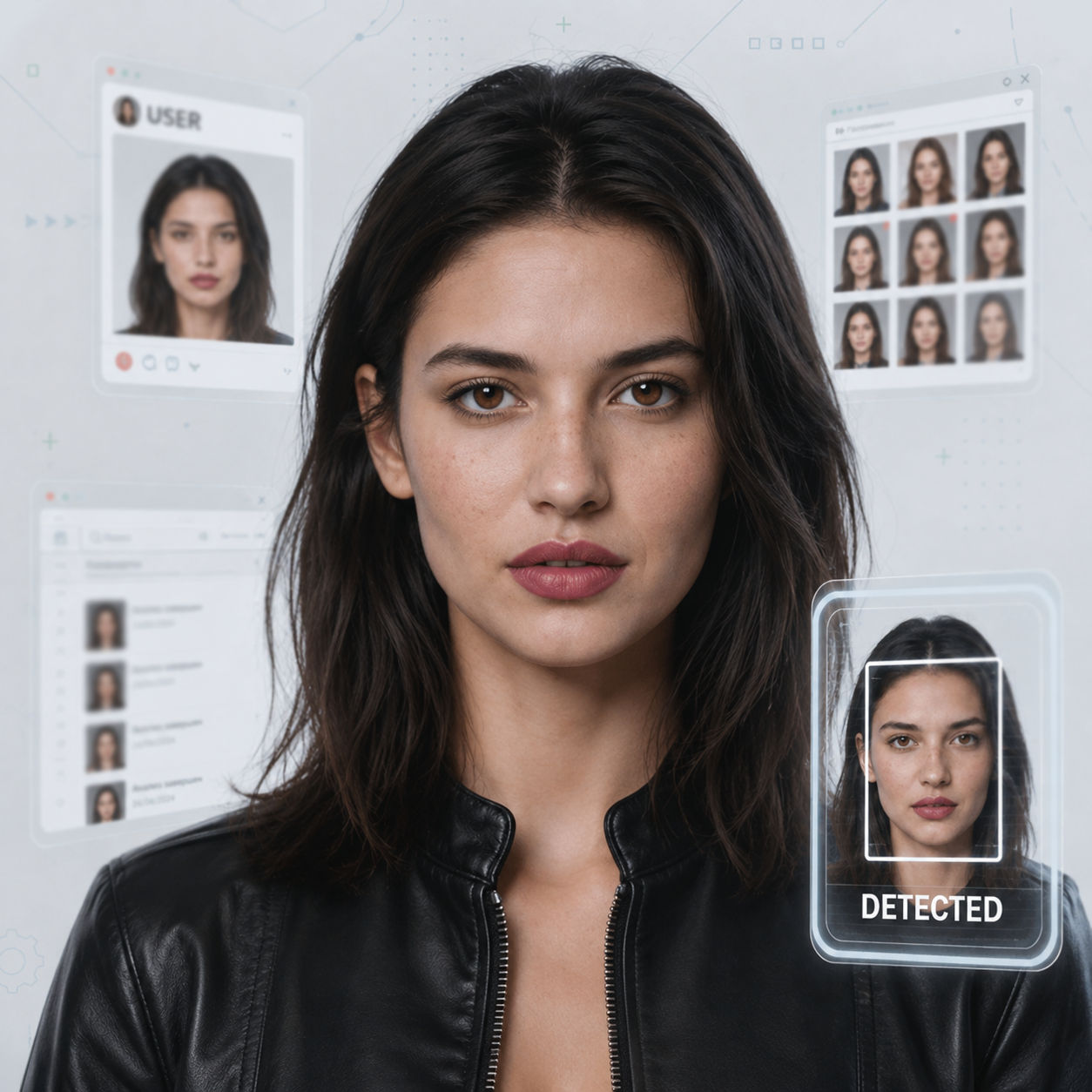
How PimEyes works for creators
PimEyes is a reverse image search engine with facial recognition capability, built to scan the public web for images that match the one you upload. It works by analysing the pixels and visual patterns of a photo - the arrangement of features, shapes, and detail that make an image distinctive - and finding other publicly available images that share those patterns. It is not searching a biometric registry or identifying you by name; it is comparing images to images, the way a search engine compares text.
For a creator, that means you can upload a portrait, a product shot, or a piece of your own photography and see the public pages where visually matching images appear. If someone has reposted your work without credit, built a fake profile using your face, or repurposed your photography in an ad, PimEyes helps surface it.
Three things it helps you take back control of
Unauthorised commercial use. Brands and dropshippers frequently lift creator content to sell products. Finding those uses is the first step to a takedown, an invoice, or a licensing conversation on your terms.
Impersonation and fake profiles. Influencers are routinely cloned - same photos, slightly different handle, often running scams on your audience. Spotting these early protects both your reputation and the followers who trust you.
Credit and attribution. Even well-meaning reposts strip your name. Knowing where your work lives lets you request proper credit, links, or tags that send value back to you.
From discovery to action
Finding the misuse is only half the job. Once you have a list of URLs where your images appear, you have what you need to send a takedown request, file a copyright complaint with the host or platform, or open a licensing discussion. PimEyes' role is to give you that evidence trail - a clear, current picture of where your visual work is being used across the web.
Many creators build a simple routine around it: a periodic search of their key images and their own face, so that misuse is caught in weeks rather than discovered by chance months later.
Why this matters more every year
AI image tools have made it trivial to copy, remix, and repurpose visual content - and to generate convincing fakes. For creators whose livelihood depends on being the recognised source of their own work, passive hope is no longer a strategy. Monitoring where your images appear is becoming as routine as backing up your files.
PimEyes gives independent creators the kind of visibility that, until recently, only large brands with expensive monitoring contracts could afford. You built the work. This helps you keep control of it.
Getting started
Upload an image you want to protect - a signature photo, a piece of your portfolio, or a clear headshot. PimEyes returns publicly available matches from across the web, which you can review and act on. Set up regular searches for the images that matter most, and turn discovery into a repeatable protective habit.